
This article is based on "The Future of Regenerative Medicine: From Bench to Bedside," written by Gabriel Bietz, MD, RPVI, FACS, a vascular surgeon and partner at Texas Cardiac & Vascular Institute, and Rajvi Patel, OMS-III, a medical student at the University of the Incarnate Word School of Osteopathic Medicine. The full article appeared in the August 2026 issue of San Antonio Medicine, the official publication of the Bexar County Medical Society.
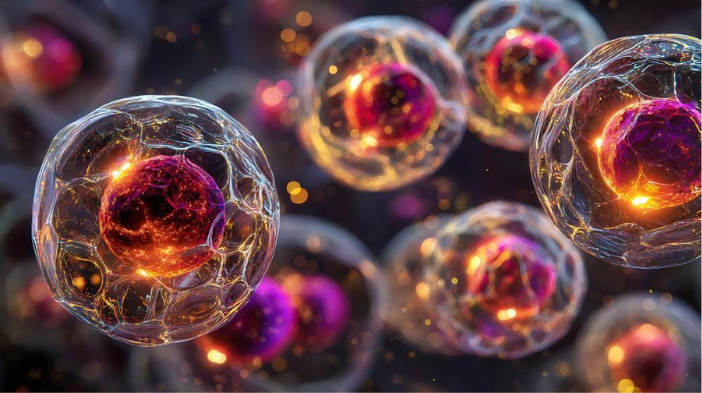
For most medical history, treatment has meant managing a problem: medication to control symptoms, surgery to repair damage, therapy to slow things down.
Regenerative medicine asks a different question. What if we could replace or repair the damaged tissue itself?
That idea used to sound like science fiction. Today, it's showing up in FDA approvals and real clinical trials. In a recent review for San Antonio Medicine, TCVI vascular surgeon Dr. Gabriel Bietz and medical student Rajvi Patel looked at where the field stands, and what still has to happen before these therapies become everyday care.
What is regenerative medicine?
Regenerative medicine is a field focused on repairing, replacing or regrowing damaged cells, tissues and organs. The goal is to restore how the body works, not just manage a disease as it progresses.
According to Dr. Bietz and Patel, more than 40 cell and gene therapy products had received FDA approval as of 2025, and more than 10,000 clinical trials were registered worldwide.
That's real momentum. But as they point out, science is moving faster than the healthcare system can put it to use.
Where are stem cell therapies today?
Stem cells are still the foundation of the field. They can develop into other types of cells, which makes them useful for replacing cells the body has lost.
Two conditions stand out in current research:
Parkinson's disease. The damage is concentrated in one specific group of brain cells. Early studies using lab-grown replacement cells have shown those cells surviving, producing dopamine and doing so safely.
Type 1 diabetes. Instead of relying on insulin injections, researchers are testing stem cell-derived islet cells that make insulin on their own. Studies have shown that patients producing more of their own insulin and having fewer low blood sugar episodes.
There has also been a major approval. In December 2024, the FDA approved Ryoncil, a stem cell product for children with a serious immune complication that can follow a bone marrow transplant.
Even so, results can be inconsistent. One reason is that roughly 5% of transplanted cells survive beyond the first 24 hours. Many of the benefits seem to come from signals the cells send out, not from the cells staying put long-term.
How is gene editing changing treatment?
CRISPR is a tool that allows scientists to make precise changes to DNA. The first CRISPR-based therapy approved by the FDA, Casgevy, was approved in December 2023 for sickle cell disease. In studies, more than 90% of patients became free of the painful blood vessel blockages, called vaso-occlusive crises, that define the disease.
Researchers are now using gene editing for more than fixing faulty genes. One goal is to create "universal" donor cells that the immune system won't reject. That could make off-the-shelf cell therapies possible without lifelong anti-rejection medication.
Can doctors really print living tissue?
In the lab, yes, in a limited way. 3D bioprinting builds tissue layer by layer using "bioinks" made from living cells and supporting materials. Cartilage, bone, skin and blood vessel grafts are among the most promising areas.
A 2025 study showed a 3D bioprinter forming new tissue directly inside living animal bone, which helped the bone regrow. Still, no one has yet printed a fully working solid organ that's ready for transplant.
Why does blood flow matter so much?
This is where vascular health comes into the picture.
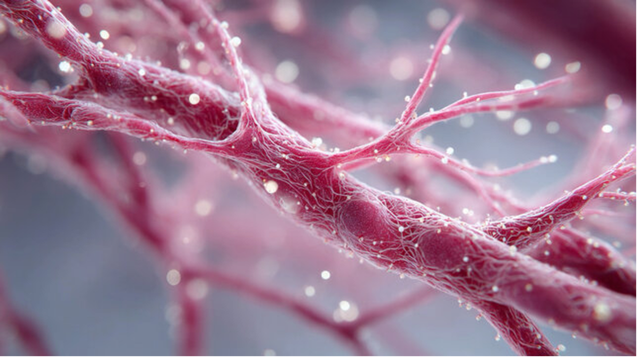
Living tissue needs a steady blood supply to survive. Oxygen and nutrients have to reach every cell. Dr. Bietz and Patel note that building blood vessels into engineered tissue, called vascularization, is still one of the biggest hurdles in the field. Researchers have created heart muscle patches that show promise in early models, but making them work in people depends on solving that blood supply problem.
Some of the newer therapies are even being studied for their ability to encourage new blood vessel growth. Tiny particles released by stem cells, called exosomes, carry signals that may calm inflammation, support new blood vessel formation and improve tissue repair.
Put simply, even the most advanced medicine of the future still depends on healthy circulation. It's the same principle our vascular team focuses on every day.
What's holding these therapies back?
Promising research doesn't always reach patients quickly. The review points to several barriers:
Cost. Approved gene therapies range from about $200,000 to $3.3 million per treatment.
Manufacturing. Many of these treatments are made individually for each patient, which is hard to scale.
Regulation. Rules for approval differ from country to country.
Long-term safety. Early results look good, but doctors still need more years of follow-up data.
Unregulated clinics. Direct-to-consumer stem cell clinics are spreading, often offering treatments that haven't been proven.
That last point matters for patients. If you're offered a stem cell or "regenerative" treatment, ask your doctor whether it's FDA-approved or part of a registered clinical trial before you commit.
What comes next?
The authors don't expect one breakthrough to change everything. Instead, they see progress coming from several technologies working together: stem cells, gene editing, new biomaterials, advanced manufacturing and augmented intelligence. Augmented intelligence is already helping researchers predict how individual patients may respond and design clinical trials faster.
The field is moving from proof of concept toward real treatment. For now, diabetes and Parkinson's disease are where regenerative medicine is closest to restoring function rather than just managing the disease.
Recognizing the work behind this blog
We want to thank Rajvi Patel, OMS-III, for co-authoring this review with Dr. Bietz. Rajvi is a medical student at the University of the Incarnate Word School of Osteopathic Medicine, Class of 2028. She plans to pursue a career in cardiopulmonary health and is passionate about leading global medical mission trips to underserved areas. It's encouraging to see future physicians taking on this kind of research.
About Dr. Bietz
Gabriel Bietz, MD, RPVI, FACS, is a board-certified vascular and endovascular surgeon and a partner at Texas Cardiac & Vascular Institute. He specializes in minimally invasive treatment for peripheral vascular disease and is actively involved in clinical research and physician education. Learn more about Dr. Bietz.
Healthy circulation supports healing
Regenerative medicine is still taking shape. Healthy blood flow, on the other hand, matters for healing right now. If you have leg pain when walking, wounds that are slow to heal, swelling or cold feet, don't wait to get answers. Learn more about what happens when peripheral artery disease goes untreated.
At Texas Cardiac & Vascular Institute, our team evaluates vascular symptoms and helps patients understand their care options. Schedule a vascular evaluation at a TCVI location in Austin, Corpus Christi, San Antonio or Seguin.
Quick answers
What is regenerative medicine?
It's a field of medicine focused on repairing, replacing or regrowing damaged cells, tissues and organs so the body can work normally again.
Are stem cell treatments FDA-approved?
Some are, for specific conditions. Many stem cell products sold directly to consumers are not. Ask whether a treatment is FDA-approved or part of a registered clinical trial.
What is CRISPR?
CRISPR is a gene-editing tool that makes precise changes to DNA. Casgevy, approved in December 2023 for sickle cell disease, was the first FDA-approved CRISPR-based therapy.
Why does blood flow matter in regenerative medicine?
New or engineered tissue needs its own blood supply to survive. Building that supply is one of the biggest challenges researchers still face.
Does TCVI offer stem cell or regenerative therapies?
TCVI focuses on minimally invasive outpatient vascular care. This article is educational and reflects Dr. Bietz's published research review.